Auditory Processing Disorder (APD)
What Is Auditory Processing Disorder?
Central Auditory Processing (CAP) refers to how the brain interprets and makes sense of the sounds we hear. Even when hearing sensitivity is normal, some individuals may still have difficulty processing auditory information. This condition is known as Auditory Processing Disorder (APD) or Central Auditory Processing Disorder (CAPD).
APD involves the way the brain processes speech. Although a person may demonstrate normal hearing during a standard hearing test, the brain has difficulty organizing and interpreting the sounds it receives. In other words, the ears may hear the sounds correctly, but the brain struggles to understand and interpret them. People with APD often hear what is being said but have difficulty understanding the meaning, especially in challenging listening environments.

Who May Benefit From an APD Evaluation?
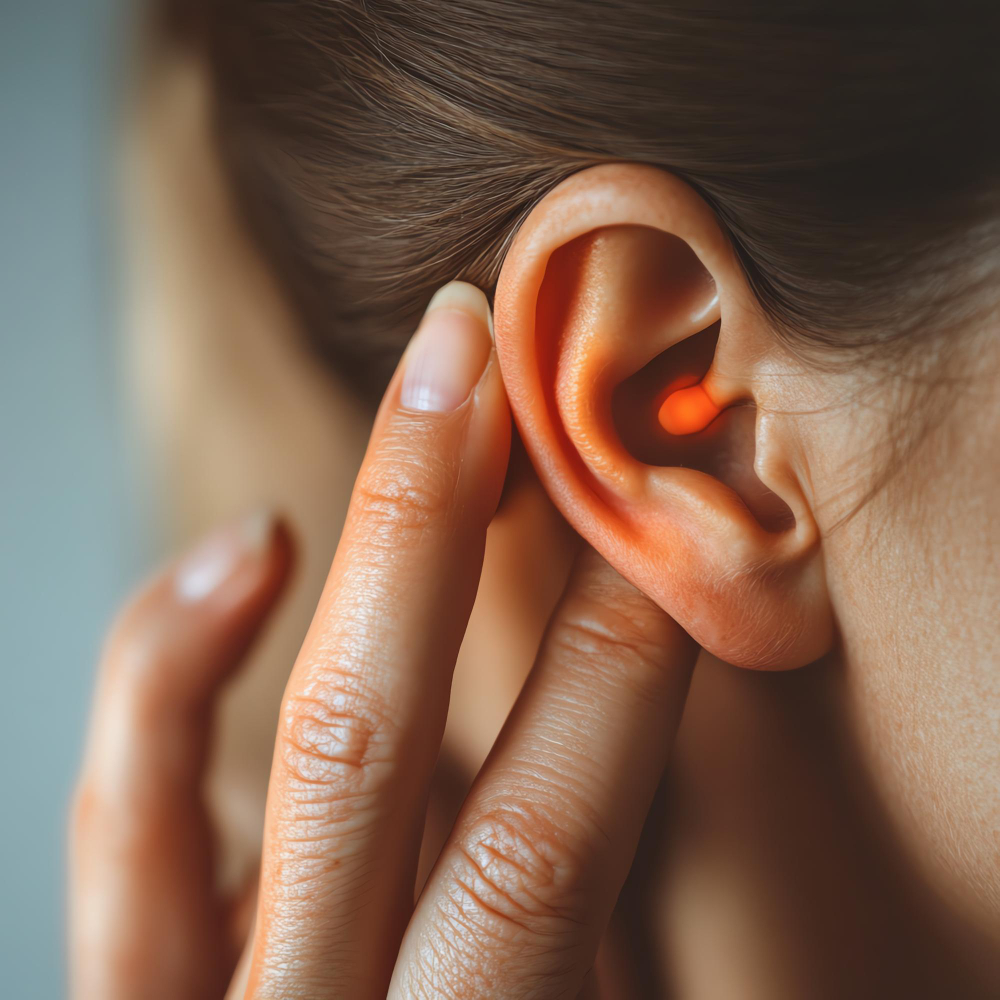
A Central Auditory Processing assessment may be recommended for individuals who:
Have difficulty understanding speech in noisy environments
- Frequently ask others to repeat themselves
- Slow response when spoken to
- Have trouble following multi-step verbal instructions
- Experience challenges with reading, spelling, or language development
- Difficulty understanding jokes, sarcasm, or complex language
- Appear to hear normally but struggle to understand spoken information
- Have difficulty distinguishing between similar sound words
- Experience listening or attention difficulties at school or work
Both children and adults can benefit from this evaluation. APD is most commonly identified in school-aged children and may also occur alongside other conditions, including: Dyslexia, ADHD (sometimes misdiagnosed) and Autism spectrum disorder, ASD.
In adults, APD may develop or become more noticeable due to hearing loss, cognitive decline, brain injury, neurological conditions
and blast exposure in military veterans.
Auditory Processing Evaluation
Our Central Auditory Processing evaluation is designed to assess how effectively the brain processes speech and other auditory signals.
The assessment includes:
- Review of medical, educational, and communication history
- Standard hearing testing to rule out peripheral hearing loss
- Specialized auditory processing testing.We provide specialized auditory processing evaluations using standardized tests in two languages: English and Portuguese.
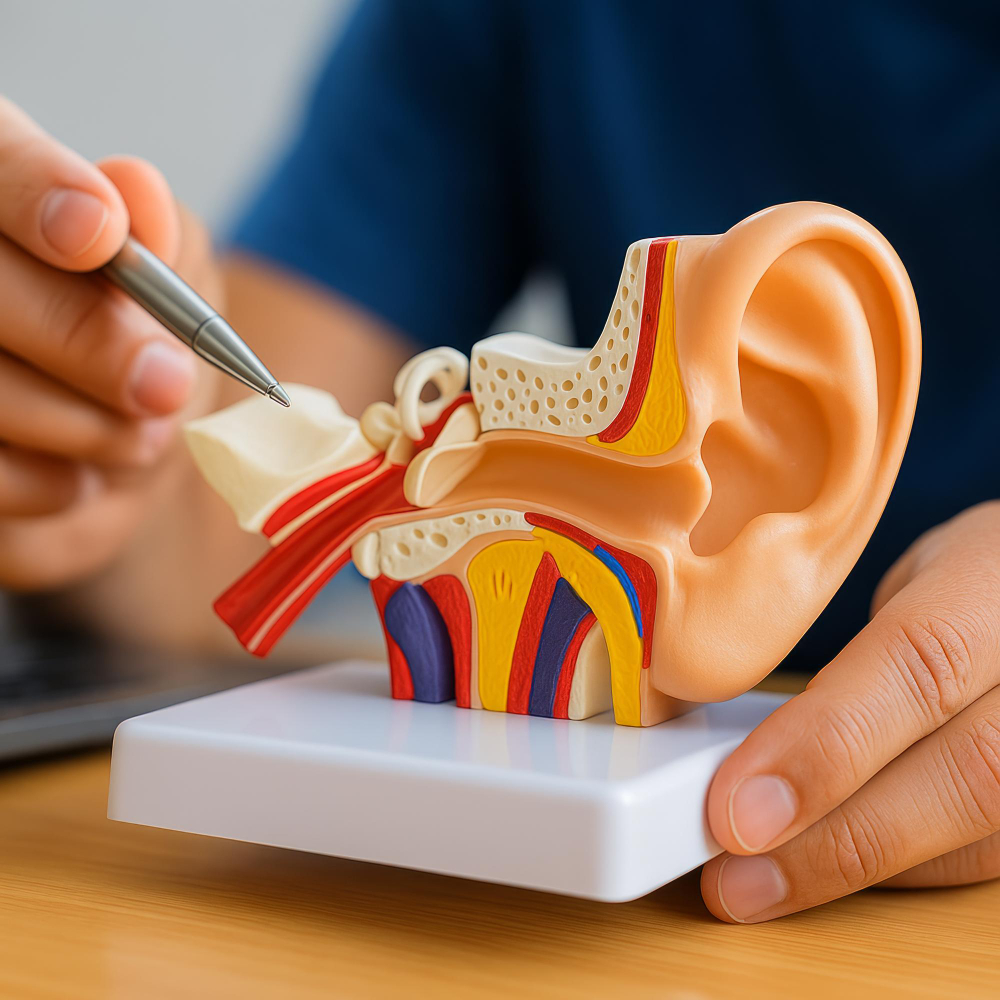

Our battery of test Include:
- Monaural Low-Redundancy Speech Tests: Assess how well a person understands speech when the signal is degraded or presented in noise. The tests used are Speech-in-Noise Test (SIN), Quick Speech-in-Noise Test (QuickSIN), Low-Pass Filtered Speech Test and Time-Compressed Speech Test
- Auditory Figure-Ground Testing: Measures speech understanding in background noise.
- Auditory Closure Testing: Evaluates the ability to fill in missing parts of speech.
- Auditory Discrimination and Phonemic Processing Tests: These tests assess the ability to differentiate between similar speech sounds.
- Dichotic Listening Testing: Measures the ability to process different sounds presented to each ear simultaneously.
- Temporal Processing Testing: evaluate the brain’s ability to process timing aspects of sound, which are essential for speech perception and language understanding.
- Binaural Integration Testing: Measure how the brain combines information from both ears.Common tests include Masking Level Difference (MLD) and Binaural Fusion Tests
- Rapid Alternating Speech Perception (RASP): Measures the ability of the auditory system to accurately perceive and process speech sounds that alternate rapidly between the ears.
A Central Auditory Processing Disorder (CAPD/APD) evaluation is typically structured as a multi-step assessment. At Ear Brain Integration, the goal is to evaluate different auditory processing skills using a comprehensive battery of tests rather than relying on a single test.
Diagnosing Auditory Processing Disorder
At Ear Brain Integration, we use an evidence-based diagnostic approach to:
- Distinguish APD from hearing loss
- Identify specific auditory processing deficits
- Consider related conditions such as ADHD, dyslexia, autism, or language disorders
- Ensure accurate diagnosis and effective treatment recommendations


Treatment Options for APD
If testing identifies auditory processing deficits, individualized treatment recommendations will be provided.
Treatment may include:
❖ Auditory Training Programs: Exercises designed to improve sound discrimination, listening skills, and auditory processing.
❖ Listening and Learning Strategies: Practical techniques for school, home, or workplace environments.
❖ Environmental Modifications: Adjustments to reduce background noise and improve listening conditions.
❖ Assistive Listening Technology: Devices that help improve speech understanding in noisy environments.
❖ Speech and Language Therapy: If language development has been affected, therapy may focus on phonological awareness skills, vocabulary development, speech comprehension strategies, social communication skills. These strategies help individuals improve listening abilities, communication skills, and academic or professional performance.
Why Early Detection Matters
Early identification and intervention help children develop essential listening skills such as speech discrimination, phonemic awareness, word identification, and listening comprehension. These early supports build a strong foundation for effective communication, learning, and academic success.

Schedule an Appointment
If you suspect that you or your child may be experiencing signs of Auditory Processing Disorder, a comprehensive evaluation can provide answers and guidance.Our team specializes in evidence-based auditory processing assessments for both children and adults.
📞 Call our office: 407-421-3439
📅 Schedule an appointment today to begin your auditory processing evaluation